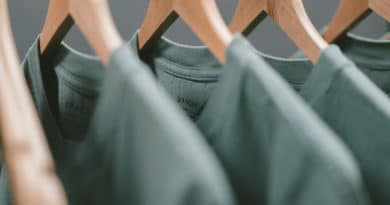
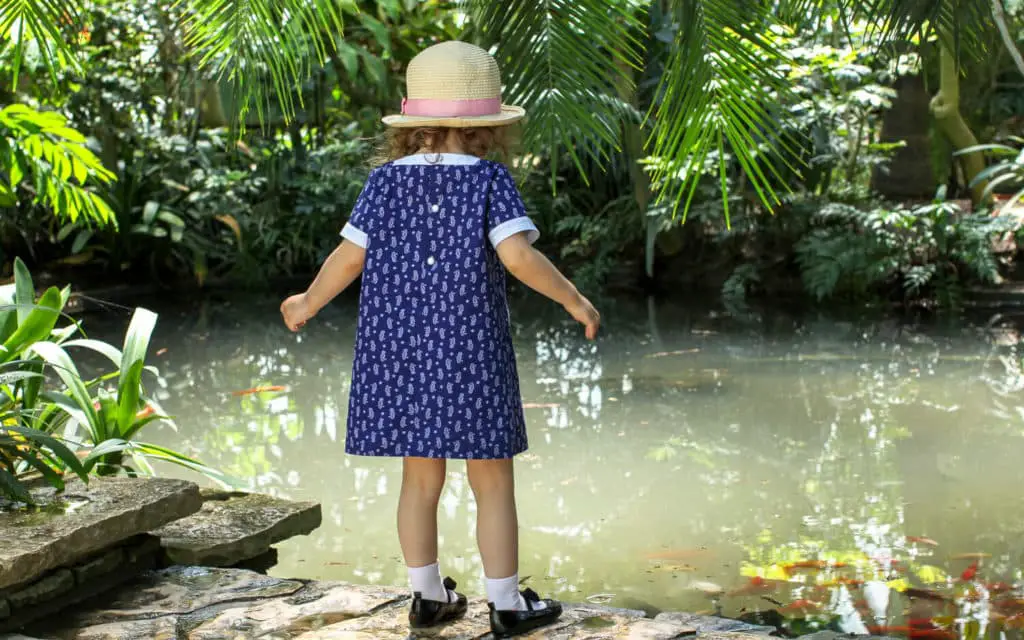
What fabrics should you use to sew your summer wardrobe?
For summer, we sew lightweight blouses, tops, dresses, overalls, and loose-fitting pants for the whole family. How can you find the perfect fabric for your summer project?
Here are a few tips to help you get your bearings!
Why Choosing the Right Fabric Is Essential in the Summer
Before diving into the details of each fabric, let’s take a moment to remember just how crucial the fabric is to the success of a summer garment. A nice cut isn’t enough: if the fabric isn’t suited to the season, your sewing project might cling to your skin, be too hot, or not drape the way you hoped.
In the summer, we look for three qualities above all else: breathability (to wick away sweat), lightness (so we don’t feel stifled in the heat), and a comfortable feel against the skin—especially for children, whose skin is more delicate. Natural fibers, such as cotton or linen, check all these boxes.
If you’re looking for inspiration for your next sewing projects, check out these patterns designed especially for summer: dresses, blouses, shorts, overalls… there’s enough here to fill an entire wardrobe!
Poplin and cotton voile
Why choose them? In the summer, it’s best to opt for natural fabrics. Of course, you can choose to sew dresses or blouses out of polyester, a fabric that offers a wide variety of prints and drapes beautifully.
However, polyester is a much less “breathable” fabric than cotton. You’re therefore more likely to sweat, especially during periods of extreme heat.
If you absolutely must use a soft, synthetic fiber, choose Tencel, which is made from wood pulp and has the advantage of absorbing moisture.
With such a wide variety of cotton fabrics to choose from, you’ll be spoiled for choice this summer!
Cotton is particularly well-suited for lightweight clothing that allows the skin to breathe easily and is therefore comfortable when temperatures rise.
You can choose cotton poplin, which is both lightweight and easy to sew and work with. If you’re shopping online and want to make sure the fabric’s thickness is right for you, check the weight listed in the product description.
For example, if you want to sew a dress or a blouse, a fabric weight of 75 g/m² will be perfect. (This is the weight of Liberty’s famous floral fabric.)
You can also choose a cotton voile (65 g/m²), which will be more sheer if it is white or a light color. This fabric is ideal for a sheer blouse or a lightweight top.
To sew a summer jacket or outerwear, choose gabardine (210 g/m²), which is denser and heavier.
For what kinds of projects?
Lightweight cottons are suitable for dresses for adults or children, as well as for blouses and shirts. Gabardine is an ideal choice for sewing small jackets for children!
Sewing Tips for Working with Poplin and Voile
Here are a few practical tips for successfully sewing with lightweight cotton:
- Wash your fabric before cutting it: cotton often shrinks during the first wash, so it’s best to plan ahead.
- Use a fine needle (size 70 or 80) to avoid leaving marks on the fabric and to ensure clean seams.
- Choose a high-quality thread—fine polyester or cotton—in a color similar to that of the fabric.
- Iron with a hot iron as you go: poplin responds very well to steam, and your seams will look even better as a result.
- For cotton voile, consider adding a lining if you’re concerned about it being see-through, especially for a light-colored summer dress.
When it comes to children’s projects, poplin is perfect for making a cute Foudjou blouse for ages 12 months to 10 years, or flowy little dresses from our collection of children’s dress patterns. For the little ones, don’t forget the Raclette sun hat—a must-have for protecting their heads from the sun.
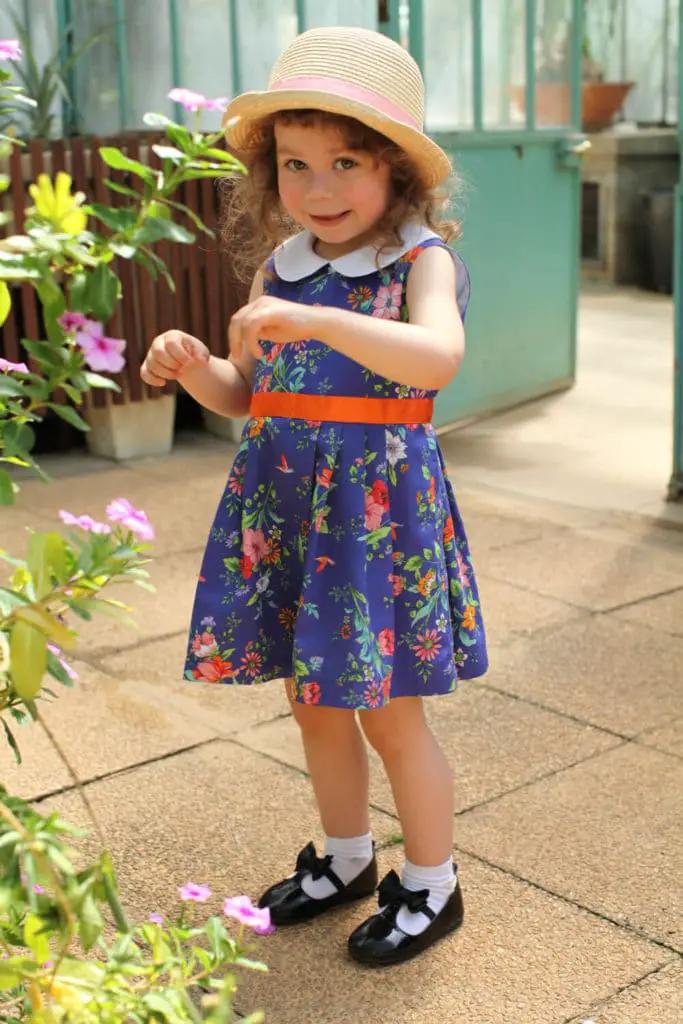
Flax
Why choose linen? Linen is a very natural, rustic, and eco-friendly fiber that has real charm, drapes beautifully, and is perfect for sewing lovely, lightweight summer clothes.
Linen is particularly well-suited for hot weather because it absorbs moisture more effectively than cotton, dries very quickly, and helps regulate body temperature.
When you’re shopping for linen online, be sure to check that it’s suitable for making clothes. Linen is actually a fiber that’s very commonly used for home furnishings in much heavier varieties (which aren’t exactly ideal for a heat wave!).
Before sewing a linen blouse, keep in mind that this fabric wrinkles very easily. So keep this in mind before buying it, and choose your project accordingly.
It’s also rare to find printed linen. So you have to like natural colors and want clothes with a slightly country or rustic look.
For what kinds of projects?
With fine linen, you can sew pretty, lightweight pants, jackets, blouses, or dresses. This fabric is also ideal for children’s clothing, such as overalls or lightweight dresses. That is, if you’re not put off by its main drawback: it wrinkles very easily!
Choosing the Right Linen Weight
As with cotton, the weight is your best guide for making the right choice:
- Lightweight linen (100 to 150 g/m²): perfect for blouses, shirts, and airy dresses.
- Medium-weight linen (150 to 200 g/m²): ideal for flowing pants, overalls, and summer jackets.
- Heavyweight linen (over 250 g/m²): intended for upholstery or structured mid-season garments.
For inspiration, check out our collection of summer pants patterns: these styles work wonderfully with soft linen. For women, a beautiful washed linen fabric also gives a summer dress with a natural drape a stunning look.
Quick Tips for Taming Linen
- Wash the fabric twice before cutting to prevent shrinkage after sewing.
- Quicklyserge all the edges: linen frays a lot.
- Iron with plenty of steam, or even with a very hot iron on the reverse side, to achieve crisp, clean seams.
- Embrace (and love!) the slightly wrinkled look—that’s part of the charm of this fabric. If it really bothers you, mix linen with cotton or viscose.
To learn more about this quintessential summer fabric, we also recommend our comprehensive guide to sewing linen clothing for your summer wardrobe.
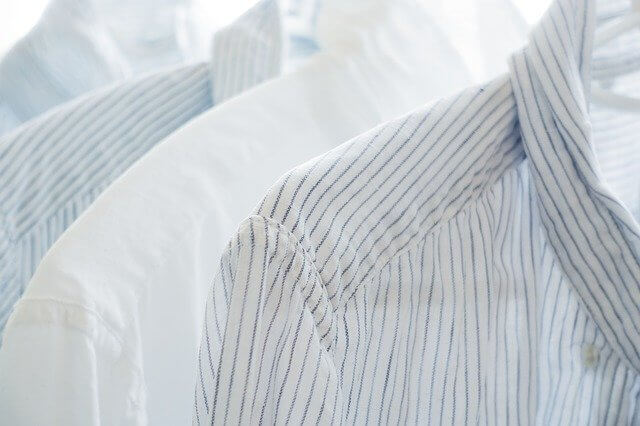
The jersey
Why choose jersey? If you find cotton or linen too stiff and prefer to make T-shirts for yourself or your children, form-fitting dresses, or sweatshirts, then jersey is your best choice.
Jersey is a stretchy knit fabric that, unlike linen, is often available in a wide variety of colorful patterns and prints.
Assembling it requires specific equipment (a special needle, an elastic stitch on your sewing machine, or a serger). But jersey fabric lets you give free rein to your imagination!
For a higher-quality fabric, choose cotton jersey rather than a blended jersey that contains synthetic materials.
To find the right jersey fabric for your project, you’ll need to pay attention to two factors this time: the weight and the percentage of spandex.
For example, for a lightweight T-shirt, you can choose a fabric weighing around 170 g/m², with at least 5% spandex. Some patterns specify the required elasticity depending on the desired fit. To sew children’s leggings, you can choose a thicker jersey (300 g/m² for example, with a higher spandex content).
For what kinds of projects?
Jersey is quite versatile depending on its thickness: joggers or leggings, T-shirts, dresses… Let your imagination run wild!
Difficulty level: Where to start?
Good news: if you’re new to sewing knit fabrics, jersey isn’t that complicated. Here’s a quick summary by skill level:
- Beginners: Start with a simple T-shirt or a children’s skirt made of thick jersey. Choose a fabric that isn’t too thin—it’s easier to work with.
- Intermediate: Try making a sweatshirt, a pair of leggings, or a little jersey dress.
- Confirmed: Try form-fitting clothes (tight-fitting dresses, sports bras) or very lightweight jersey fabrics like modal.
To find the perfect jersey patterns, check out the collection of children’s T-shirt patterns and the collection of children’s sweatshirts: there’s truly something for every taste and body type.
Other Fabrics to Consider for Summer
If you want to mix things up beyond the classic cotton, linen, and jersey trio, here are some interesting alternatives:
Viscose and Tencel
These plant-based fibers are very fluid and drape beautifully, making them perfect for long dresses and flowing blouses. They’re more delicate to sew than poplin (they slip and fray), but the final result is very flattering. Be sure to use fine needles and pin generously.
Double-layered cotton gauze
A trend for the past few years, double gauze (also known as cotton gauze) is ultra-soft, slightly textured, and very gentle on children’s skin. It’s ideal for blouses, rompers, loose-fitting shirts, or nightgowns. One small downside: it wrinkles a bit, but much less than linen.
Chambray
Visually similar to denim but much lighter, chambray is an excellent choice for shirts, shirt dresses, or summer shorts. It has a casual look and is easy to sew.
How can you pair fabrics with summer sewing projects?
To help you get the big picture at a glance, here’s a quick recap of the winning organizations:
- Flowy adult blouse: cotton voile, double gauze, viscose, lightweight linen.
- Summer dresses: poplin, lightweight linen, viscose. For inspiration, check out the summer dress collection.
- Blouse or shirt: poplin, chambray, medium-weight linen.
- Lightweight pants: linen, heavy poplin, Tencel.
- T-shirt and bodycon dress: cotton jersey.
- Baby and children’s clothing: double gauze, poplin, soft jersey. Check out the children’s pattern collection for project ideas.
- Shorts and Bermuda shorts: poplin, linen, chambray, lightweight gabardine.
FAQ: Your Questions About Summer Fabrics
What is the lightest fabric for sewing a summer dress?
Linen is undoubtedly the coolest fabric: it absorbs moisture, dries quickly, and regulates body temperature. If you’re worried about it wrinkling, opt for a linen-viscose blend, a linen-cotton blend, or a fine cotton poplin, which is almost as comfortable.
Do you always have to wash fabric before sewing?
Yes, and this is especially true for natural fibers (cotton, linen, cotton jersey). They often shrink during the first wash. To avoid a disaster after sewing, wash and dry your fabric exactly as you would wash the finished garment.
What fabric should a beginner choose for summer sewing?
Cotton poplin is the best choice for beginners: it’s stable and easy to cut, sew, and iron. When you’re just starting out, avoid slippery fabrics (viscose, satin) or fabrics that are too stretchy if you don’t have a serger.
How much fabric do you need for a children’s summer dress?
Generally, allow between 1 m and 1.80 m, depending on the child’s height and the pattern you choose. Always refer to the pattern’s fabric yardage chart, as it depends on the width of the fabric (usually 140 cm or 150 cm).
Can you mix different fabrics in the same garment?
Absolutely, and it’s actually a great way to personalize your designs! Pairing a printed poplin with a solid-color linen, for example, creates a beautiful contrast. Just be sure to use fabrics of similar weight so the garment hangs well.
What about you—what are you planning to sew for the summer?